

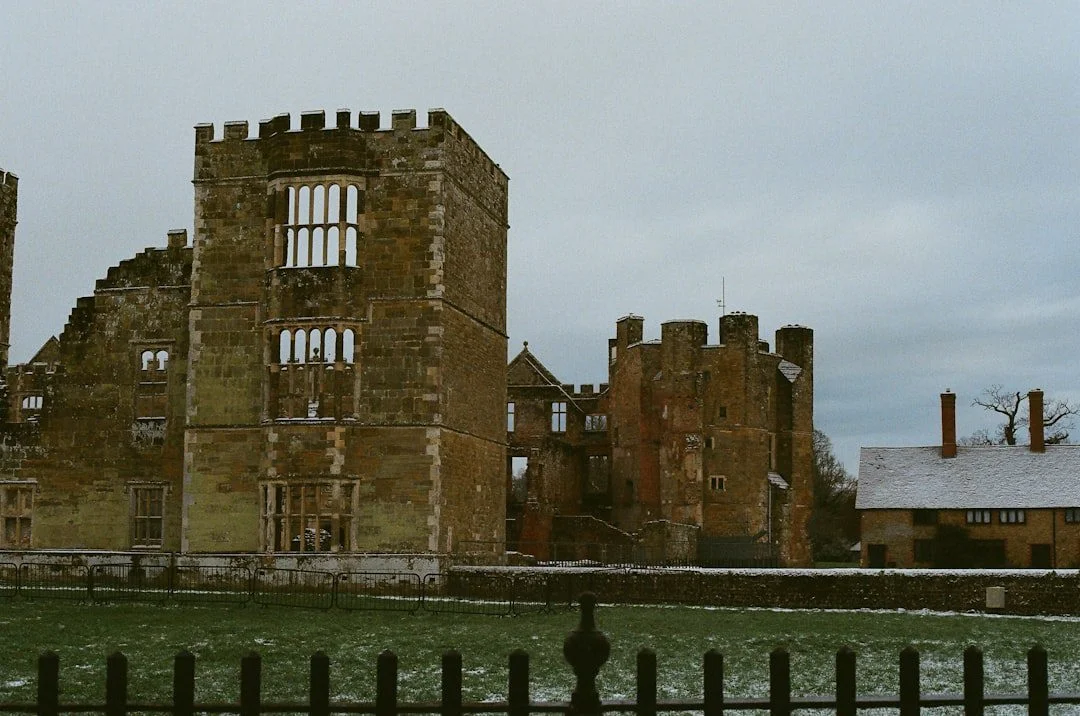
Littlehampton and Arundel sit a few miles apart on the River Arun, but they run on different rhythms. One is a working seaside town with a harbour, a busy high street and a steady base of residents. The other is a small historic town where the castle, the wedding trade and independent shops pull in visitors from across the South East. If you run a business in either place, your website has a specific job to do, and it is not the same job as a national brand’s site.
We build sites for businesses along this stretch of the coast, and the pattern is consistent. The owners who do well online are the ones who treat their website as a local shopfront rather than a brochure. Here is what that looks like in practice.
Start with what a local visitor is actually trying to do
Most people landing on a Littlehampton or Arundel business site want one of a few things. They want to know if you cover their area. They want to know if you are open. They want a price guide, a menu, an availability calendar or a way to book. And they want to do all of that from their phone, often while standing on a pavement or sitting in a car park.
That last point matters more than people think. A big share of local searches happen on mobile, so if your site is slow or fiddly on a small screen you lose the visitor before they ever read your offer. We wrote a full piece on why phone visitors matter most, and the short version is this: design for the thumb first, then let it scale up to desktop.
A local website earns its keep in the first ten seconds. If a visitor cannot tell what you do, where you do it, and how to get in touch, the polish elsewhere is wasted.
Make your location unmistakable
This sounds obvious, and it is the thing most local sites get wrong. Your town should appear in the page title, in the heading a visitor reads first, in your footer, and on a contact page with a real address and a map. Not stuffed in awkwardly. Just present, the way a person would naturally mention it.
Search engines use those signals to decide whether to show you for “café in Littlehampton” or “florist near Arundel”. So do the AI assistants people increasingly ask for recommendations. Clear, consistent details give both something solid to work with. If you serve the wider area, say which villages and towns you cover instead of leaving people to guess.
Littlehampton and Arundel need slightly different things
The foundations are shared, but the emphasis shifts depending on where you trade.
Littlehampton: everyday custom and seasonal peaks
Littlehampton businesses tend to rely on repeat local trade through the year, with a lift in summer when the beach, the green and the harbour draw visitors. A tradesperson, a takeaway, a beauty salon or a garage here wants a site that ranks for practical, service-led searches and makes contact effortless.
- A prominent phone number that taps to call on mobile
- Opening hours that are current, especially around bank holidays and summer
- Service pages that name the job and the area, so you show up for the exact thing people type
- A simple enquiry form that does not ask for more than you need
If bookings and enquiries are your lifeblood, it is worth reading how small changes to a form lift submissions. Cutting two unnecessary fields can move your numbers more than a redesign. You can see the full picture of what we do for firms here on our Littlehampton web design page.
Arundel: tourism, weddings and independent retail
Arundel plays to a visitor economy. People plan trips, book tables, browse the antique and gift shops, and organise weddings around the castle and the cathedral. That changes what your website has to carry.
- Strong, honest photography, because visitors are choosing on the feel of a place before they arrive
- Availability, menus or booking built in, so a visitor can commit in the moment
- Content that helps people plan, like parking, nearby attractions and what to expect on the day
- Reviews and testimonials front and centre, since first-time visitors have no other way to trust you
For a wedding venue, a restaurant or an independent shop, the emotional pull of the town is part of your product. Your site should reflect that without slowing to a crawl under the weight of heavy images. There is a real balance to strike, and we go into it on the Arundel web design page.
The building blocks that work in both towns
Whatever the setting, a few things separate a local site that pulls in work from one that just sits there.
Speed and simplicity
A fast, clean site respects the visitor’s time and gives Google fewer reasons to bury you. You do not need animation or clever effects. You need a page that appears quickly, reads clearly and points to the next step. Those same clear principles guide every project we take on.
Trust signals a local buyer looks for
People choosing a local business scan for reassurance. Real photos of your premises or team. A named address. Genuine reviews with the customer’s town attached. A visible phone number. These small details do a lot of quiet work, and we cover them properly in our piece on the small details that influence buying decisions. For a business someone has never used before, the difference between a stock photo and a real one is the difference between a booking and a bounce.
Content that answers local questions
Think about the questions your customers ask on the phone, then answer them on the site. Do you deliver to Wick or Rustington? Is there parking near your Arundel shop? How far ahead do weddings book up? Pages that answer these do two jobs at once. They help the customer decide, and they help you appear when someone searches that exact question. It is the most reliable way for a small firm to build presence without a huge budget.
What this costs, and what to expect
Business owners in this area often worry a proper website is out of reach. It rarely is. The right build for a small local firm is scoped to what actually moves the needle for you, not padded with features you will never touch. It helps to get a grounded sense of the numbers before you speak to anyone, so you can weigh up any quote you are given.
The mistake we see most often is going for the cheapest option and paying for it later in lost enquiries and a rebuild within eighteen months. A site that is quick, easy to update and built to be found tends to earn its cost back through the work it brings in.
Getting started
You do not need to solve all of this at once. Start with the basics done well. A fast site, a clear message about what you do and where, honest photos, easy contact, and a handful of pages that answer the questions your customers actually ask. Layer on the extras once the foundations are solid.
We work with businesses right across this part of the coast, from Littlehampton and Arundel through to Bognor Regis and Worthing, and the approach stays personal from the first conversation to launch and beyond. If you would like to talk through what your business needs, we are always happy to have that chat. No jargon, no pressure.
Frequently asked questions
No. One well-built website can serve both towns and the villages around them. The key is to name the areas you cover clearly on your service and contact pages so both local search and customers understand your reach. If one town is far more important to your trade, you can give it a dedicated page to strengthen your visibility there.
Speed on mobile, a clear statement of what you do and where, and an easy way to get in touch or book. Most local visitors decide within seconds, so anything that slows or confuses them costs you enquiries. Genuine photos and reviews also carry a lot of weight when someone has never used you before.
Make your location obvious across the site, keep your details consistent, and publish pages that answer the specific things local customers search for. A well set up Google Business Profile and real reviews from nearby customers help a great deal too. It is a steady process rather than an overnight switch, but it is very achievable for a small firm.
Often, yes. The cheapest builds tend to be slow, hard to update and difficult to find in search, which means lost enquiries and a rebuild within a year or two. A site scoped properly to your business usually earns its cost back through the work it brings in, so it is worth judging on value rather than headline price.
Strong, honest photography, easy booking or availability, and content that helps visitors plan their trip, such as parking and nearby attractions. Reviews and testimonials should be prominent because first-time visitors have no other way to gauge trust. All of this needs to load quickly, so images should be optimised rather than left heavy.